
The Maltipoo: a cross, and what that means for what you get
A Maltipoo is a Maltese crossed with a Poodle. It is not a breed with a standard, and that single fact explains most of what is worth knowing before you buy one.
| What it is | A Maltese × Poodle cross, usually to a Toy or Miniature Poodle |
|---|---|
| Recognised breed? | No. No kennel club standard defines it |
| Adult size | Varies with the cross and the individual; ask what both parents measure |
| Coat | Usually soft and low-shedding, but texture varies between littermates |
Figures above are from the breed-standard sources listed at the foot of this page. They describe the type, not any individual puppy.
A cross is a range, not a recipe
With a recognised breed you get a written standard and a reasonable expectation of adult size and coat. With a cross you get neither. A Maltipoo inherits from both sides, and littermates can differ noticeably in height, coat texture and temperament.
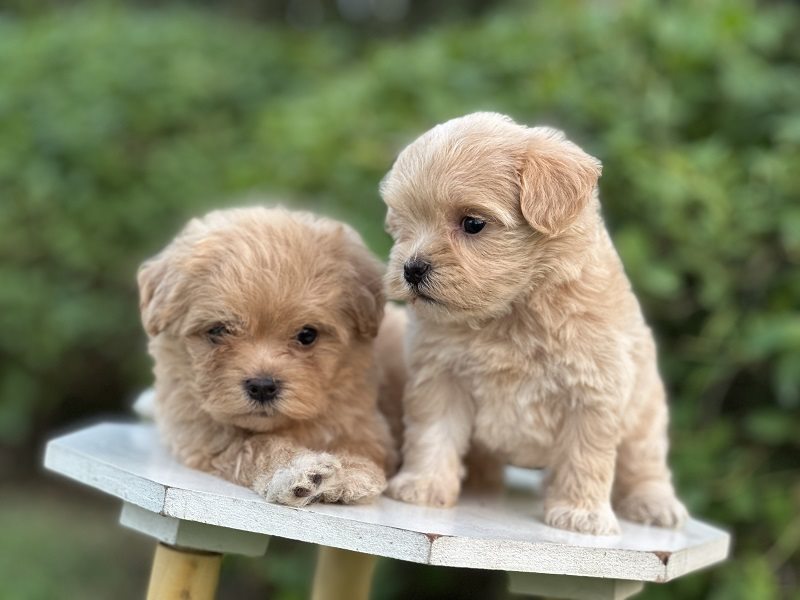
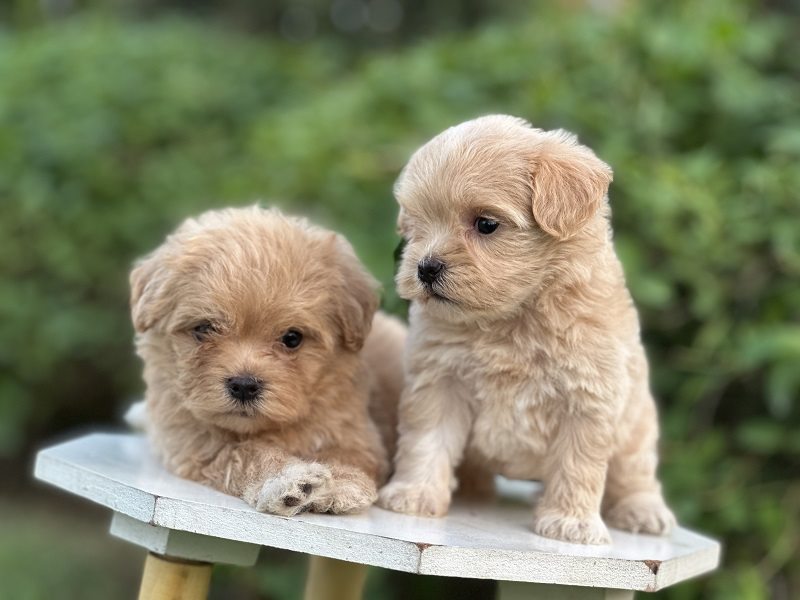
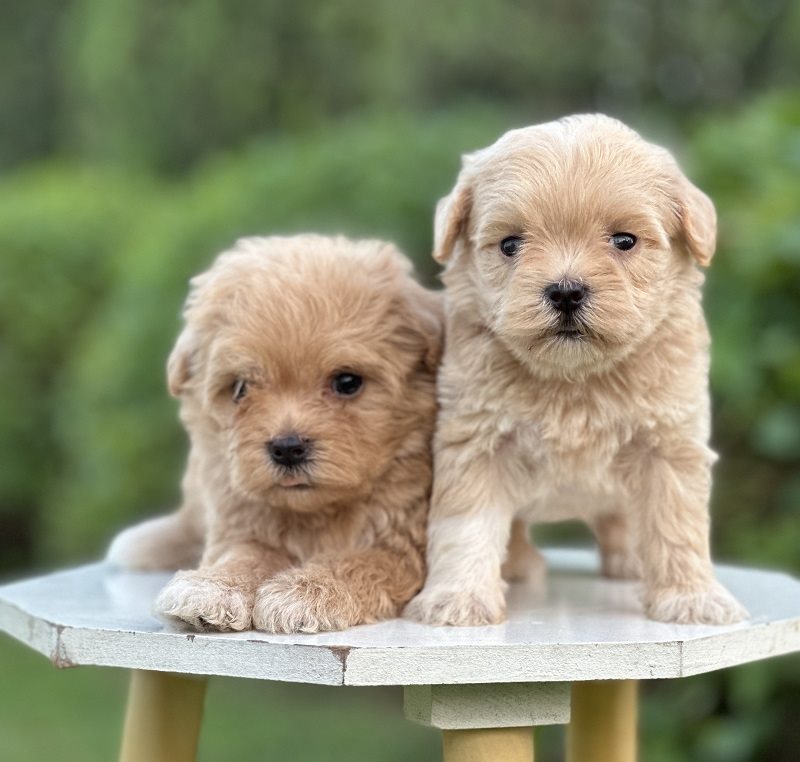
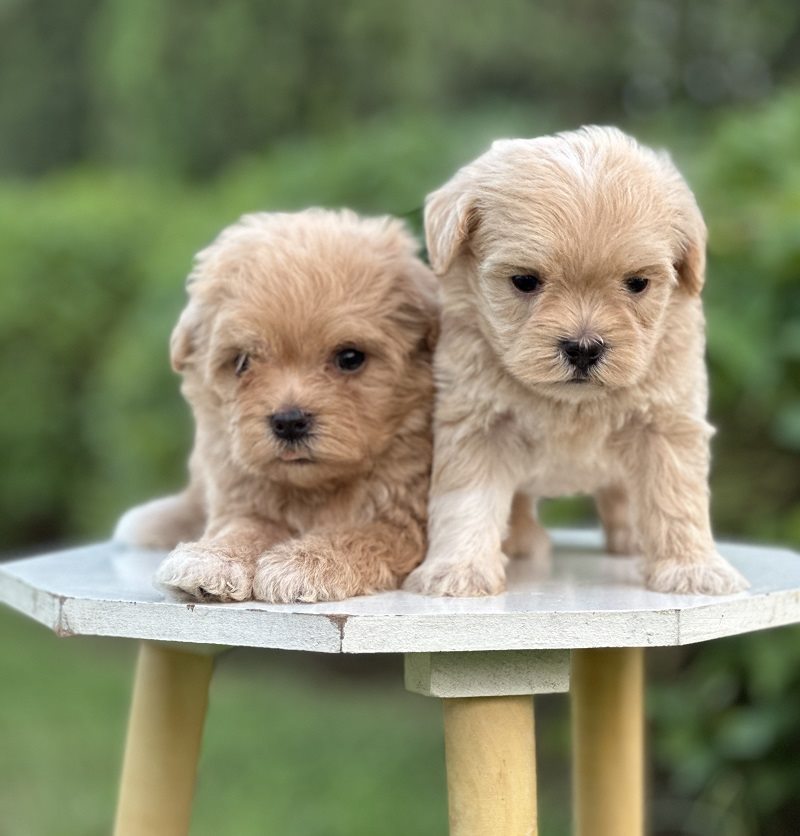
This is not an argument against the cross. Plenty of them make excellent family dogs. It is an argument against buying one on the strength of a photograph of a different dog. Ask what the two parents are, what they measure, and what the previous litter grew into — that is the closest thing to a forecast available.
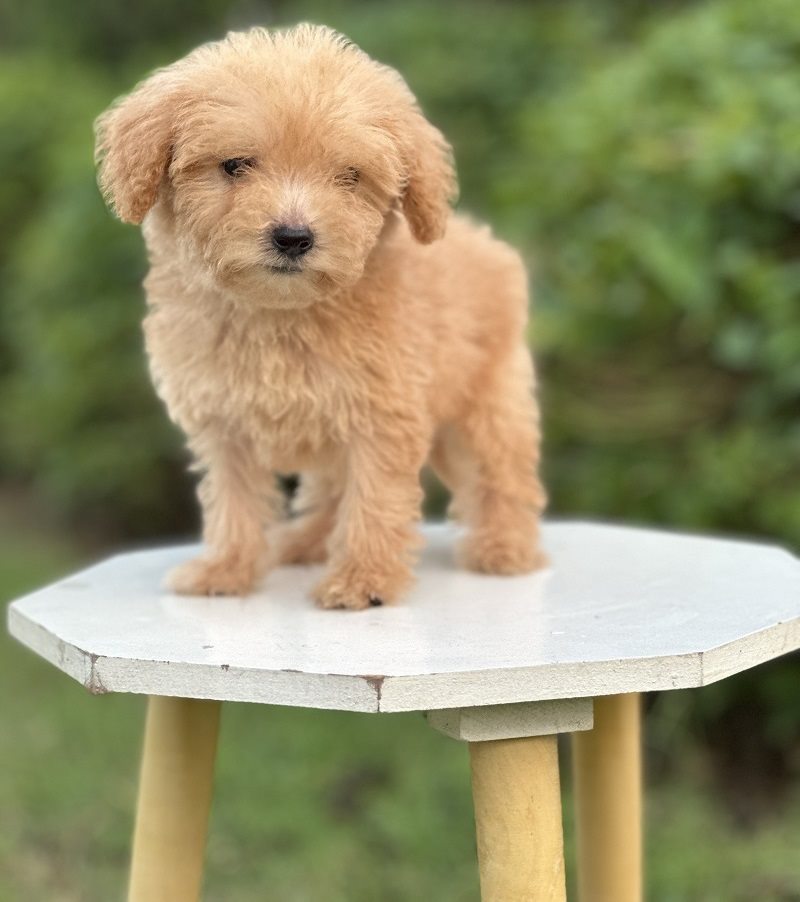
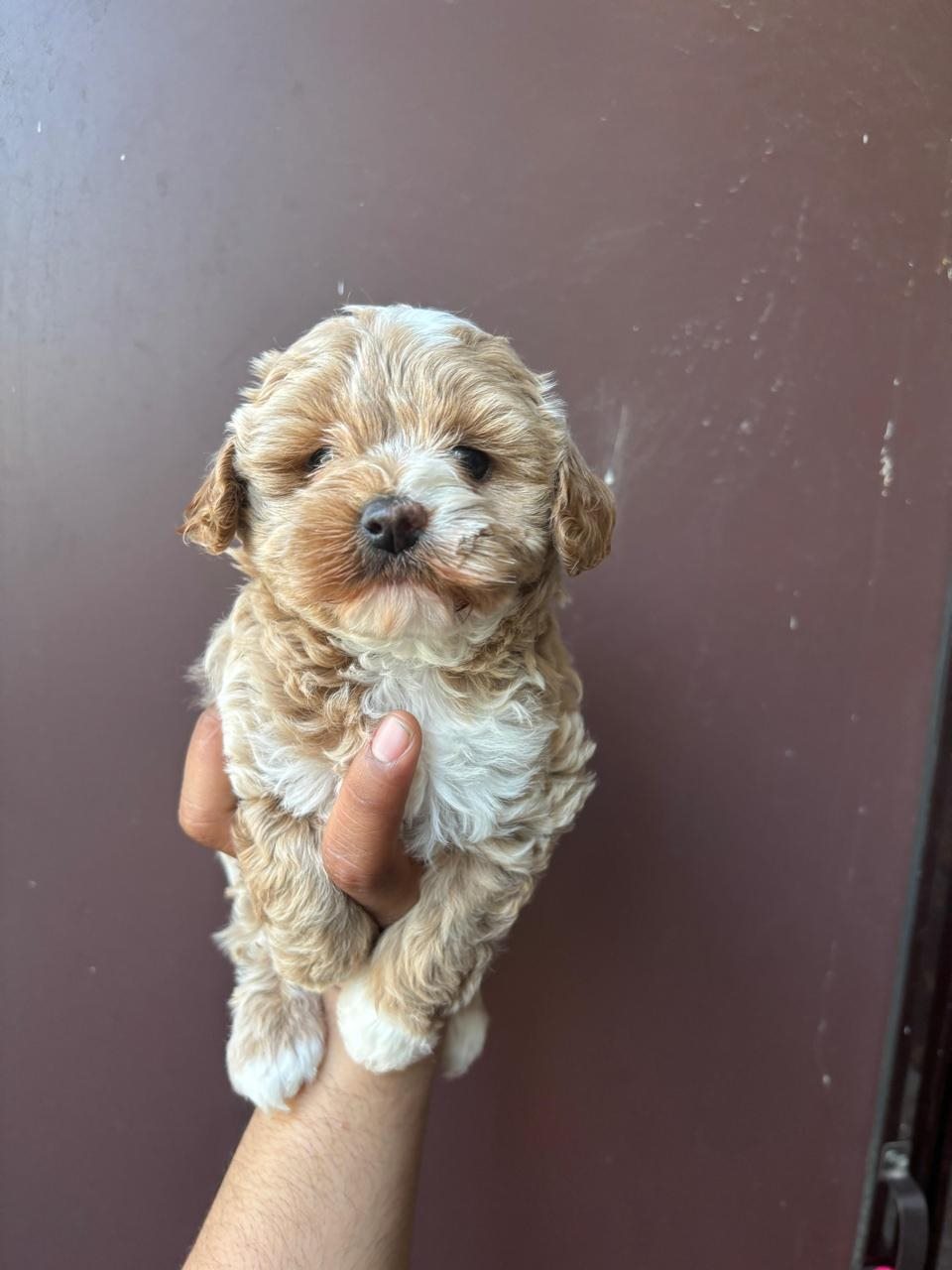
Where the size actually comes from
The Maltese is a toy breed. The Poodle side is where the variation enters: a Toy Poodle parent and a Miniature Poodle parent produce meaningfully different adult dogs, and “Maltipoo” on its own does not tell you which you are getting.
So the useful question is never “how big do Maltipoos get”. It is “which Poodle variety is the sire, and how tall is he”.
The coat is usually the reason people buy
Both parent types carry coat that tends to hold hair rather than drop it, so most Maltipoos shed lightly. That is the honest version of the claim. The dishonest version is “hypoallergenic”, which no dog is.
Whatever the texture, it needs maintaining. A soft, fine coat mats faster than a coarse one, not slower, and the area under a harness is usually the first place to go. Plan on brushing most days and a trim every few weeks, and ask the breeder to have handled the puppy’s feet and ears from the start.
Small, bright, and easily made anxious
Both sides of this cross are companion dogs bred to be with people, which is pleasant until it becomes a problem. Maltipoos are prone to struggling when left alone if nobody teaches them otherwise.
Teach it in the first month: short absences, built up slowly, while the dog is still young enough to accept them as normal. It is far easier than fixing separation distress in a two-year-old, and it is the single most useful thing a new owner of a small companion dog can do.
What to be careful of when buying
Because there is no standard, there is also no registry to check a claim against. Descriptions like “teacup Maltipoo” carry no definition at all and are often attached to the smallest puppy in a litter, which is not the same as a healthy small dog.
Ask to see the mother. Ask the puppy’s exact age. Ask what it has been vaccinated against and what is due. If the answers are vague, that is information too.
Five questions worth asking before you buy
These apply wherever you buy, including from us. A seller who answers them readily is telling you something; so is one who does not.
- Which Poodle variety is the sire, and how tall is he?
- Can I see the mother with the litter?
- How old is the puppy today, in weeks?
- What is the vaccination and deworming record so far?
- What did the previous litter grow into?
Ask about a Maltipoo
Tell us your area and what you are looking for, and we will tell you what is actually possible — including when the answer is that nothing suitable is available right now.